Wednesday, 19 July 2017

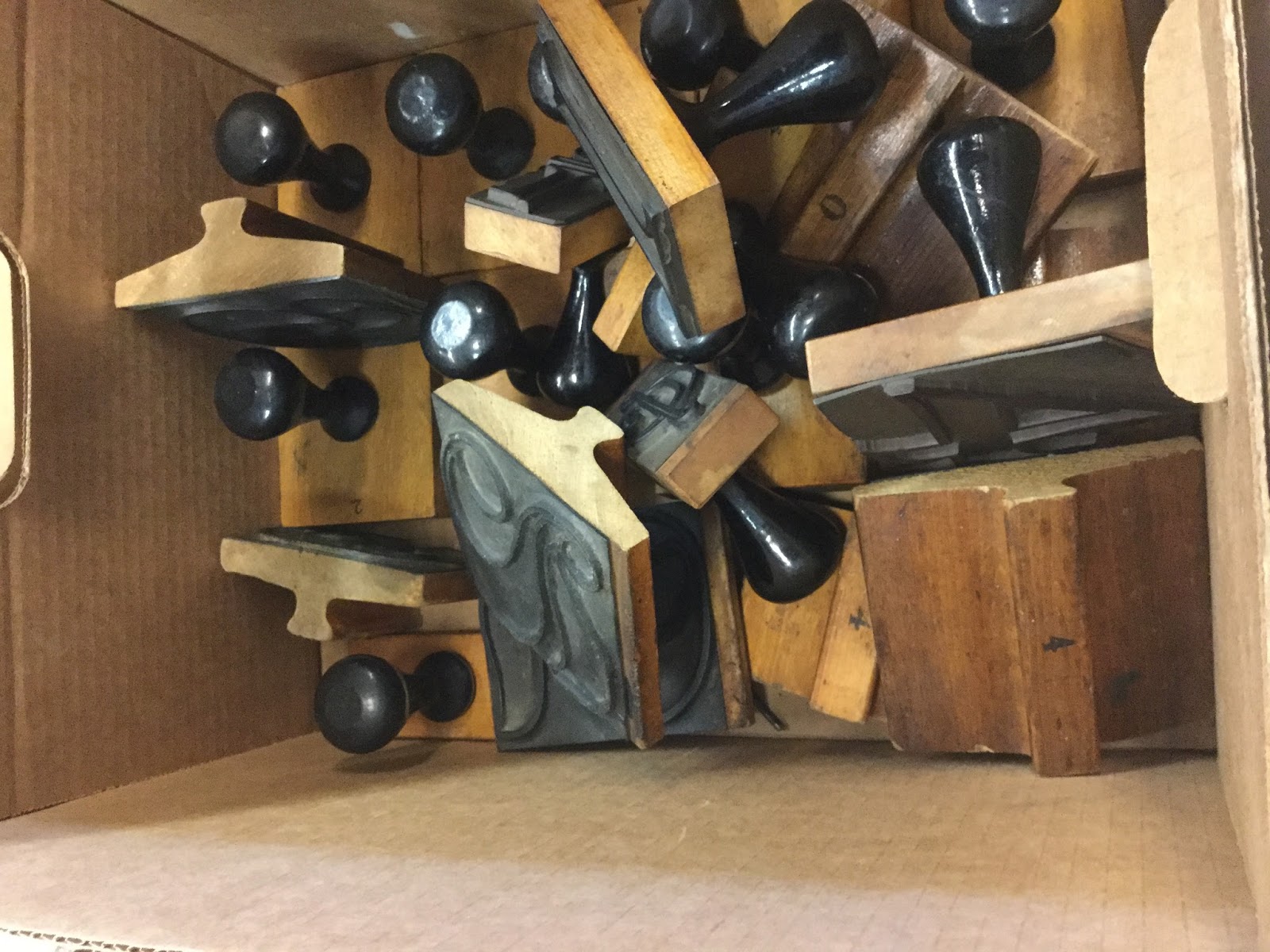
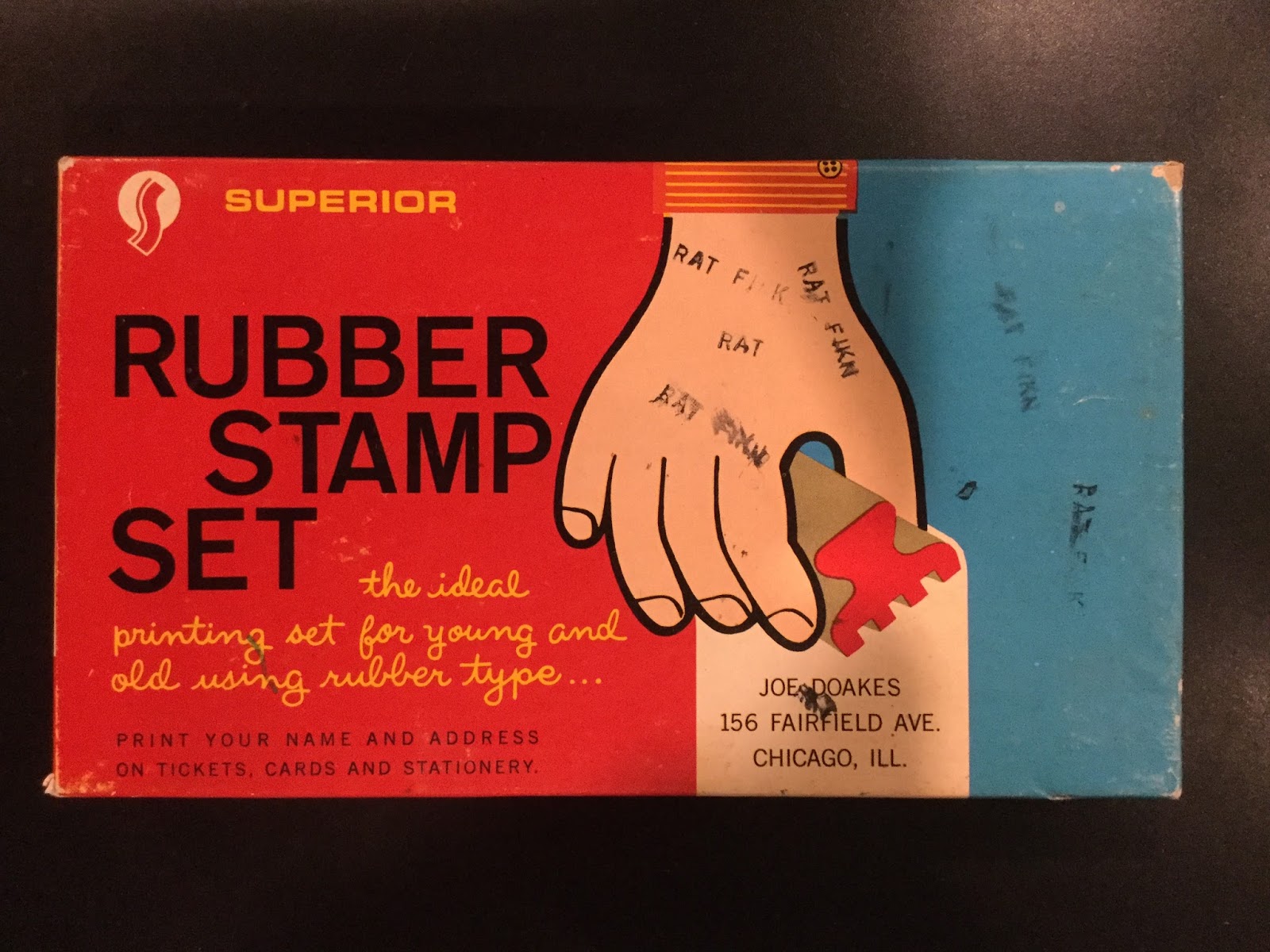
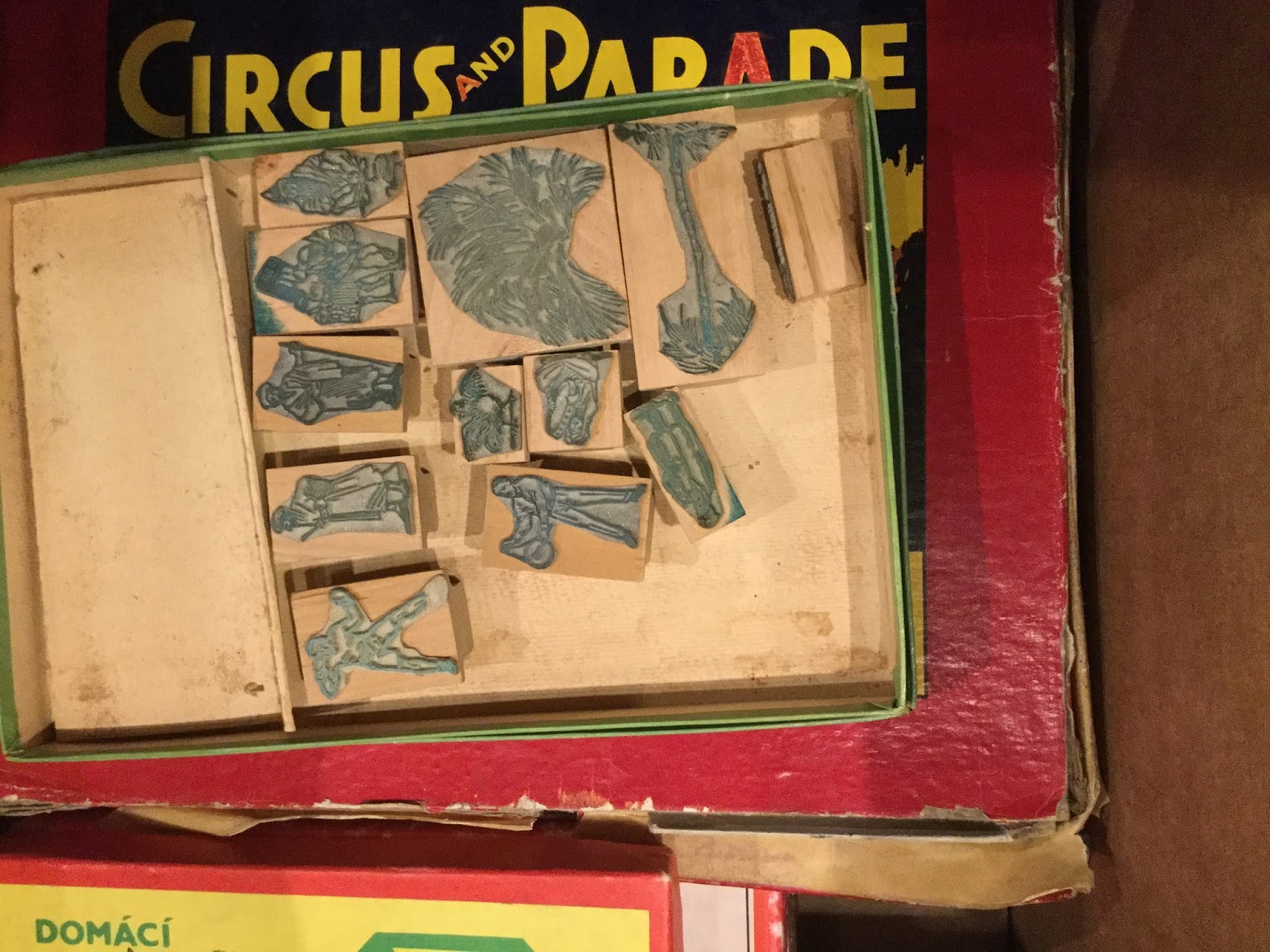
Inside the boxes from the H/G Rubber Stamp Archive, Minnesota Centre for Book Arts.

Over the length of the 4 week residency I gradually opened all the boxes in the archive. Each held a treasure trove of rubber stamp surprises.


Friday, 14 July 2017

Rubber Stamp Artist in Residence at MCBA Minnesota Centre for Book Arts July 2017

The Minnesota Centre for Book Arts has recently acquired the rubber stamp archive of two leading lights from the history of rubber stamp art; Scott Helmes and William “Picasso” Gaglione.

SCOTT HELMES  

Scott Helmes is a visual poet who began collecting rubber stamp sets in 1974. His poetry stretches the limits of language, explores the multifaceted concepts of meaning, and encompasses all manners of reading. His work also investigates typographic concepts, printing methods, and alternative letter forms within the modern meaning of communication. Helmes’ poetry is realized through a variety of techniques and materials such as rubber stamps, stencils, and collage. He has exhibited internationally and his work is in the collections of some of the world’s leading institutions, including Minneapolis’ Walker Art Center, New York’s Museum of Modern Art, London’s Victoria & Albert Museum, Paris’ Bibliotheque Nationale de France, and Frankfurt’s Museum für Kunsthandwerk.

WILLIAM “PICASSO” GAGLIONE

An avid collector of all things, William “Picasso” Gaglione was the original owner of Stamp Francisco and has been involved with rubber stamp art and rubber stamp manufacturing for decades. He is currently the co-proprietor of Chicago's Stampland. His artistic influence on the world of rubber stamping has been documented extensively through numerous international exhibitions and publications. As a publisher, he has produced multiple boxed exhibition catalogs and assembling periodicals such as Stampzine. Gaglione has created many aliases and identifications during his long career as a conceptual artist (Picasso, Dadaland, etc.) and he continues to prolifically create and perform as a neo-Dadist, Fluxus practitioner, and correspondence artist.

Jeff Rathermel, the fantastic curator of MCBA, invited me to be the archive's first rubber stamp artist in residence. 

The large archive, (amounting to 70,000 stamps, and stamp related material) was in the process of being documented and catalogue whilst i was there. I was very kindly given access to the rubber stamp archive room.




Wednesday, 5 July 2017

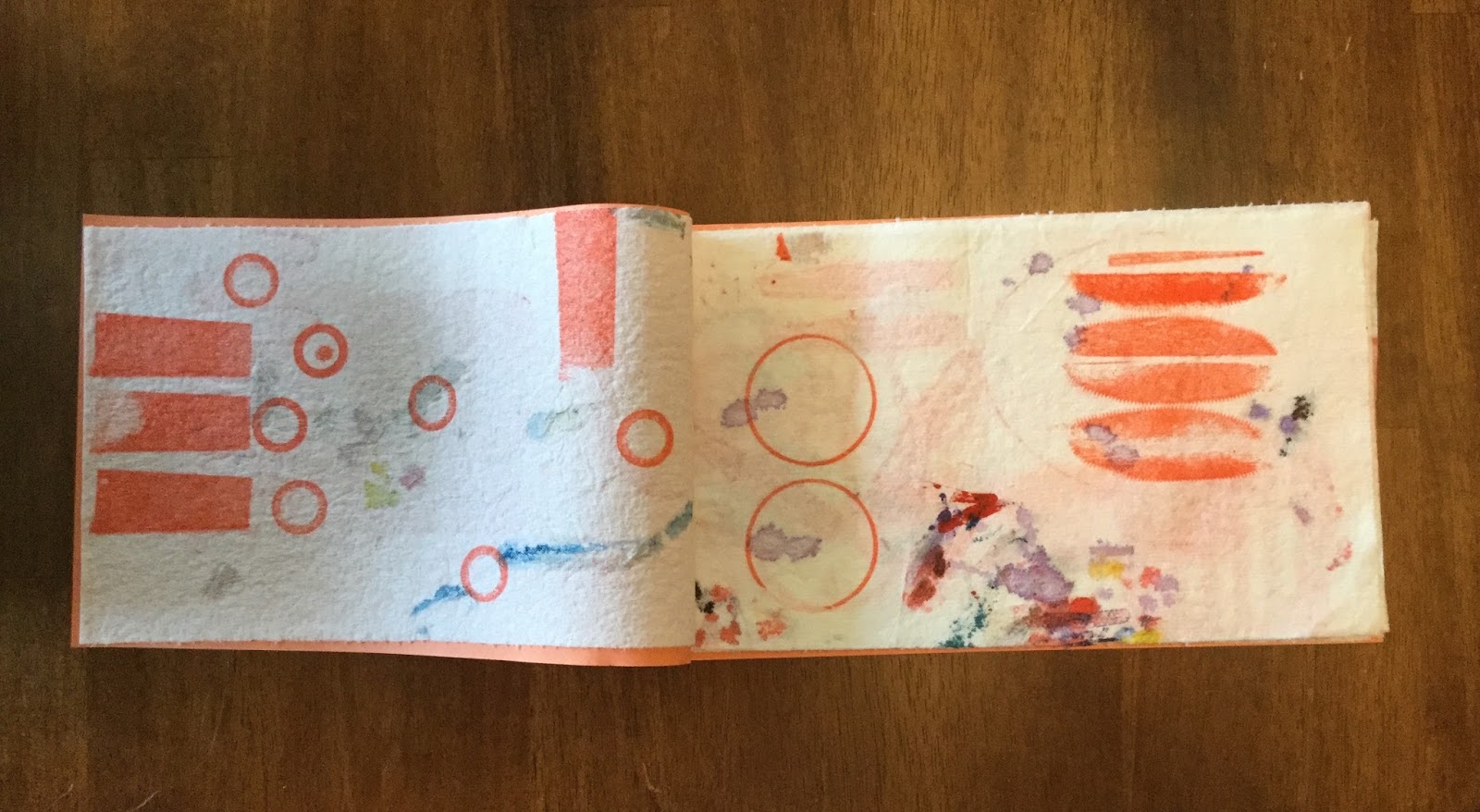
VIVA Book for Scott Helmes.

A few months ago I received this invite from Scott Helmes, the concrete poet and rubber stamp artist. 

Hello Stephen: by way of introduction, I received you name from Jeff Rathermel at MCBA. I do a series of simple artist's books done with VIVA paper towels where I send you 5 to 6 pages for you to add to, bind, and return. I'm working on numbers 28-30. When I reach #30, I send them to Vamp & Tramp, a book dealer who then sells them as a group. 


My contribution was a book consisting of 'Found Stamp' print impressions. 


Friday, 31 March 2017

Behind the Scenes of the Passport Office, Arnolfini, Bristol.

My niece and I had such a great time running our Passport Office at the Bristol Artist Book Event.
Here are a few photographs from the day. All photographs by Tom Sowden.


The passport office was based on Lucy from Peanuts, psychiatrist booth. 


At the end of the weekend we both collected stamps in our passports from all the participating exhibitors/stall holders/publishers.


See you next time ! 

Saturday, 25 March 2017

Rubber Stamp Passport Office - Exhibition & Performance, B.A.B.E Arnolfini, Bristol.


Join illustrator Stephen Fowler and artist Harriet Price, as they open their Rubber Stamp Passport Office for the first time.

They will be issuing an edition of 100 passports, as a means to navigate BABE and collect stamp impressions from the many bookmakers, small publishers, artists and other stallholders, who are contributing to this rubber stamp Happening. To be one of the lucky few who are issued with a passport, form an orderly queue at one of the following times.

Passport Office Opening Times Saturday

Morning; 11 - 13.00

Afternoon; 14 - 16.00

Passport Office Opening Times Sunday

Morning; 11 - 13.00

Afternoon; 14.00 - 15.00

Harriet Price is a painter, drawer, rubber stamp printer and model maker. She also works with, amongst other things, sewing machines, felt, papier mache, and Posca Pens.

Many thanks to G.F.Smith for sponsoring the Rubber Stamp Passport Office.

http://www.gfsmith.com/


Friday, 24 March 2017

Craft Stamper Interview March 2017

I was interviewed for the March edition of 'Craft Stamper'.


RUNNER: Regular: Artist in Residence

TITLE: Artist in Residence: Stephen Fowler


(((Hi Stephen, thank you so much for working with us! Please answer the questions below in approx. 150 words per question and attach around 5 images to accompany some of your answers. Thanks again!)))


Q: Tell us a little bit about yourself and background as a maker. 

A: I studied Illustration at both degree and post graduate level at Harrow Art School and Central Saint Martins school of Art & Design. I caught the printing bug during my time at Harrow, I particularly liked etching and woodcut, and this was where I first experienced the excitement of carving rubber stamps and making artist books. 
Since then I’ve been an Illustrator, D.J, making posters, flyers, projections and souvenirs for my own club nights. Exhibited in galleries and artist book fairs, run experimental and masterclasses in both print, rubber stamping and artist books. I’ve also orchestrated Wildman life classes around the country. Alongside these indeavors, I’ve taught Illustration in a number of art schools including Banbury & Bicester College, Kingston University, Camberwell Art College, and Worcester University were I’ve recently taken up a part time position. My art and teaching practice are intertwined, they fed each other.  


Q: Your artwork is very diverse; what would you say is your main source of inspiration?

A: It’s hard to say, I suppose the medium, every medium has its qualities, so a lot of time I allow that to determine my ideas. For example, I’ve recently carved lots of rubbery food stamps these included; processed cheese squares, ham and round sausage slices. On another occasion, using the same carved potato, I printed a series of portrait impressions over a week, called ‘Memento Mori’. At first the portrait was youthful, but by the fifth day it had started to shrink and crinkle, by the seventh day you can imagine what happened! Another instance I explored white pigment ink, for a pigment it’s very translucent, very ghostly, so this inspired some paranormal print postcards. Rubber stamps also make for superb silhouette impressions, this characteristic will inspire a series of graphic descriptive stamps for a potential exhibition and publication in Preston.


Q: What does your work space look like?

A: I’m between studios at the moment. My last work space was on Hackney Road, East London. I shared a floor with my friend Rocky, he’s a carpenter working with reclaimed wood, he very kindly transformed my workspace, building shelves, work surface out of found tea-crates, old doors and discarded furniture. He used a bay-window, and an old British Rail waiting room window to separate our work areas. His higgledy pigglty interior decoration made for inspiring workspace! On the walls I super glued clothes pegs, so artwork, drawings clippings could be moved and replaced at ease. I had several bookcases, and workstations to lay out inspirational material, for the making of books and large prints. By the two large windows at the far end of the studio you’d have seen a clothes line with drying prints, a sink and stove for cooking my supper, or breakfast if I’d worked through the night. 


Q: Which technique/material do you enjoy using the most?

A: Hmm, difficult to say, anything that’s cheap! I’m always on the lookout for rubbers/erasers in stationeries, art, craft, or gift shops, for making into stamps. I already have a large collection, which I’m steadily working my through. Working with a variety of erasers, be they large or very small in size, and unusually shaped, always sparks the imagination and makes for a variety of inventive results. More and more commercially made rubber stamp blocks or soft Lino sheets are available, (suggesting a rubber stamp revival perhaps?). I like testing them, trying them out. I’m finding the textured back of Adigraf linoleum particularly satisfying to print with at moment. But still nothing beats the reliability of speedball speedy carve.  


Q: Which stage of the creative process do you find most exciting?
A: Right now it’s the research stage. By the time I’d finished my book on Rubber Stamping, I’d unearthed a lot of historical material, and came across Pawel Petasz, a leading Polish Mail Artist. His work came to prominence
during the Cold War. Poland’s printing presses were severely regulated at the time, so he took to making Lino cuts, potato prints and hand carved rubber stamps. His work is graphic, raw, expressive and very inventive, and he’s still alive today. As is Picasso Giglione, a contemporary of Petasz, your readers may know his rubber Stamp shop, ‘Stampland’, based in Chicago. Both Giglione and Scott Helmes, another stamp artist, have recently donated their entire collections of rubber stamp related material to the Minnesota Centre for Book Arts. By next summer this working archive will be available to view and used by the public. I’ve been invited to be archive’s first artist in residence, I’m looking forward to delving through what promises to be an exciting treasure trove.


Q: What advice do you have for emerging designer makers working in stamping? 
A: Make friends with other stampers, wither that’s going to rubber stamp workshops, via Mail Art, or why not start up a stamping club? You’ll find encouragement and inspiration from other’s artwork and feedback.  Mail Art; there’s nothing like receiving unexpected art through the post, it’s a joyful experience, comparable to birthday cards from old friends or love letters. Sharing or/and collaborating can open your eyes to other ways of making, craving, printing, and a different-types and colours of ink, dye or pigment, and even a variety of new subject matter.
Try and make the most of the stamping medium, it’s not just a reproduction process, it’s great for making repeats, its portable so print on people, buildings, and food, and why not make your own set of letters if you can’t find the ones you want. It’s often used as an official form of language so carve own collection of commands or instructional stamps. Most importantly have fun with stamping (and of course buy my book!). 


Tuesday, 21 March 2017

Rubber Stamp Workshop with the 1st Year Kingston Illustration Course Students.

I was guest lecturer at Kingston Art School on the 21st March. This has been an annual tradition for quite sometime.
The students made some excellent prints, with both rubber stamps and foam stamps
Take a look!